Throughout the sixties Geoffrey Rumble’s Dastle company specialised in short-track racing midgets with only a F. Ford car to their name. In 1972 they produced their first F3 car and over the next few years produced a number of models which ran with varying degrees of success. They always seem to be hampered by lack of suffuicient finance to enable them to do enough testing and to ensure they had decent engines. Today the Dastle company is still going strong making raceboxes to transport race cars.
1972
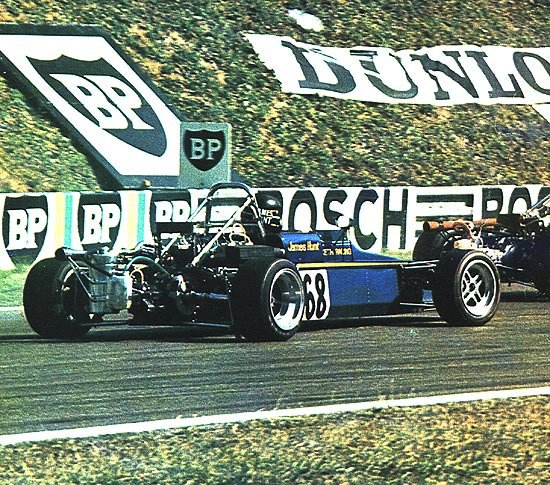
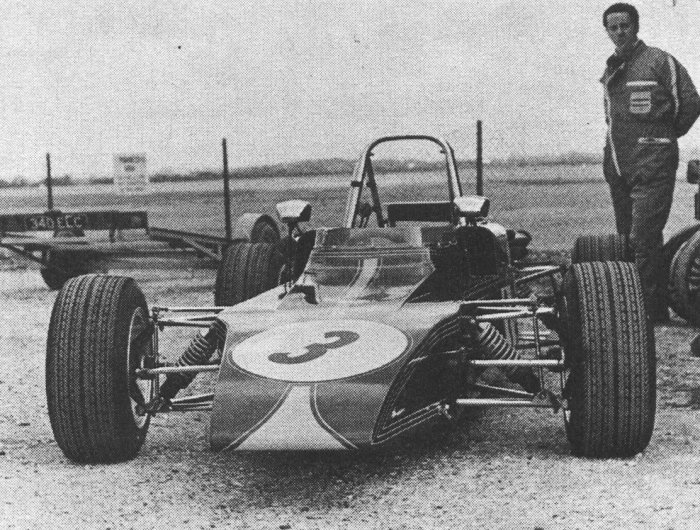
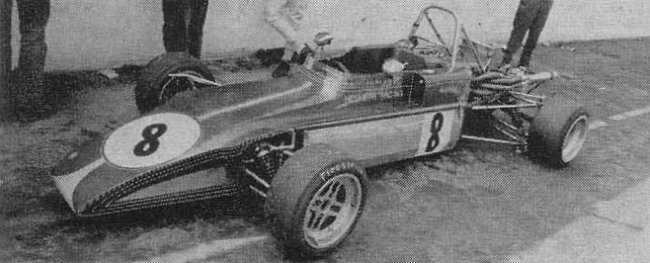
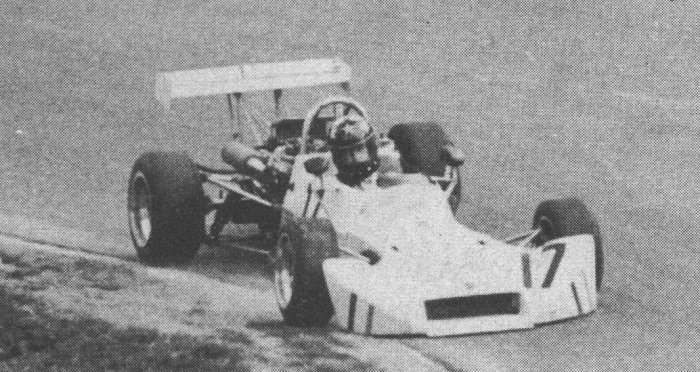
Based around a strong monocoque (note the hefty roll hoop in the pictures) with orthodox suspension, the Mk 9 was designed by Geoff Rumble. Its wide track made it stable through corners but slow in a straight line. Perhaps the Mk9’s greatest claim to fame was that the then newly formed Hesketh team gave the young James Hunt his last F3 races in one. Both James and Bubbles Horsley proved the strength of the tubs with huge accidents at Brands Hatch on the same day.
1973
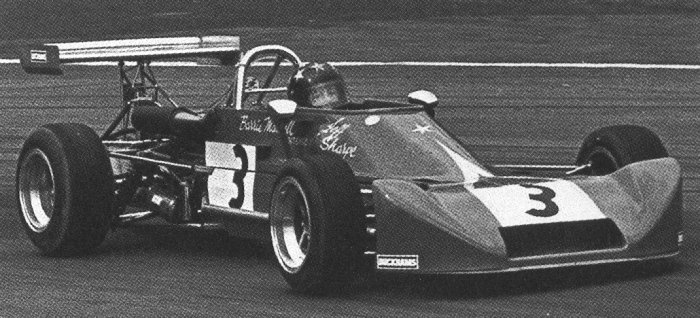
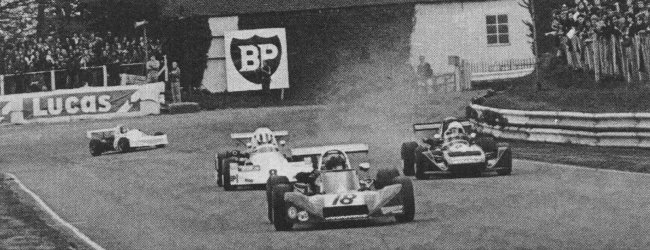
Designed on similar lines to the Mk 9 but with inboard front brakes and a full-width nose the Mk 10 was driven by Barrie Maskell. Despite a lot of development work that took it through to “B” form it was never a genuine front runner and it gained a perhaps unjustified reputation as being poor handling. The best result was an end of season 5th at Thruxton for Maskell
The Hesketh entered Dastle Mk 9 at Thruxton.
The Mk9 looking very small and tidy.
The square lines of the Mk10 are very obvious in
this shot of Barrie Maskell.
1974
The Mk10 continued into 1974 where it suffered badly in early season races from an unreliable engine as the switch was made to 2-litre engines. However Dastle persevered and the car was updated to “C” spec for Maskell. Despite only using a 1700 or 1800 cc engine Maskell took an excellent second at Cadwell Park in June and a third in the same month at Snetterton. A fifth at Cadwell in July was the only other result of note.
Barrie Maskell in action once again.
1976
In 1976 Barrie Maskell resurrected the Mk10c and finished second in a non-championship race at Mallory Park in a very weak field. The car was, unusually for this time, powered by a twin-cam Ford.
Drivers: 1972Anthony “Bubbles” Horsley, James Hunt, Steve Thompson.